

Investment Associate – Building Nordic Lower-Mid-Market Champions

If you’re seeking early responsibility and real exposure to decision-making, this is it – a small, high-calibre, entrepreneurial team backing ambitious Nordic lower-mid-market businesses and helping build the next generation of category leaders.


As the private equity Industry matures, generating outsized returns in the upper mid-market and large-cap segment has become more challenging; with multiple compression, and fewer exit options available.

Against that backdrop, many investors are refocusing on the lower-middle market: a segment where founder-led businesses genuinely benefit from a trusted partner – for succession, professionalisation, and accelerated growth – not just capital.

Ceder is built to thrive within this opportunity set. With a strong reputation as a hands-on, founder-aligned investor, Ceder partners with businesses to scale sustainably – organically and through targeted buy-and-build strategies. This positions their portfolio companies as high quality targets for the larger buyout firms, demonstrated in their returns to date. 

For the individual who joins Ceder, they’ll be part of a lean, high-calibre team, working directly with the partners, and get real repetitions across the full investment lifecycle. Ceder is well-capitalised, actively deploying, have many exit’s lined up, and entering a very exciting growth phase.

— Henry Myers

Nordic Investment Associate

The Opportunity

We’ve been retained by Ceder Capital to find and hire an exceptional associate to join their Stockholm-based investment team.

This is a high-ownership role. You’ll work closely with the partners across sourcing, execution, and value creation, building the toolkit to lead deals end-to-end and support management teams through critical moments. Expect exposure to both high-growth company journeys and complex consolidation and buy-and-build plays.

As you grow with the firm, you will take on increasing responsibility, contributing to the strategic direction of portfolio companies and helping to shape the future of Ceder Capital itself. You will be a vital part of a small, high-impact team, where your contributions will be both visible and valued.

The Ideal Candidate

This role is designed for a driven, versatile professional – someone with a strong analytical foundation who also enjoys building relationships and taking initiative.

You will bring:

  • – 1–3 years’ experience from top-tier investment banking or management consulting.

  • – Strong financial modelling and analytical capability, with the judgement and pace to contribute from day one.

  • – High emotional intelligence and clear communication, able to build credibility with management teams and senior stakeholders.

  • – A genuine interest in the Nordic lower-mid-market, and the value-creation opportunities within founder-led and succession situations.

  • – An entrepreneurial mindset, comfortable in a lean, agile and unbureaucratic environment with broad responsibility.

  • – Long-term orientation, with ambition to grow with the firm and help build the platform over time.

This will suit someone who wants to be close to decisions, work in a tight team, and have meaningful impact – while building a strong foundation in Nordic private equity.

Trajectory & Upside 

You will work directly with a high performing team, gaining hands-on experience across a spectrum of workstreams. Ceder Capital is committed to developing its talent from within, and this role offers a clear path to long-term success.

There is immediate access to co-invest opportunities, and a clear path to carry participation in Fund IV (within 18-24 months). 

Culture & DNA

Ceder Capital is careful to maintain the integrity of the team and firm. The environment is:

  • Entrepreneurial and hands-on
  • Low-ego and collaborative
  • Analytical and results-driven
  • Relationship-focused
  • Promoting of healthy work-life balance


Practicals

office-building

Location

Stockholm, Sweden

office-building

Language

Native or near-native Swedish or Finnish

office-building

Compensation

Highly competitive cash compensation benchmarked against the Nordic middle-market firms, with a clear path to carry participation

About Ceder Capital

Ceder Capital is a Stockholm-based private equity firm that invests in Swedish and Finnish companies with turnovers between SEK 50-500 million. Founded in 2014 by Thomas Ramsay (formerly of EQT and IK Investment Partners) and David Holm Ovrén (formerly of ABN Amro Capital), the firm has a strong track record of delivering exceptional returns for its investors.

Ceder Capital is particularly attracted to fragmented industries with consolidation opportunities and acts as an active partner to management teams in implementing value-creation initiatives and add-on acquisitions. The firm’s investment philosophy emphasizes product development, sales and marketing, and a focus on customer and employee satisfaction.

With a team of 7 professionals and a strong LP base of leading European institutional investors, Ceder Capital is well-positioned for continued growth and success. The firm has raised three funds to date, with a fourth fund anticipated in the near future:

SEK 35om

Fund I (2014)

SEK 1bn

Fund II (2017)

SEK 1.5bn

Fund III (2023)

Fund IV - Expected to begin fundraising soon

Founded

No. Investment Professionals

Operating out of location (Stockholm)

Funds raised

Total Aum: SEK

No. Investments

No. Exits

Fund 1 Return

Investment Team

David Holm-Ovrén

David Holm-Ovrén

Founding Partner

Previously a Partner at ABN Amro Capital and ABG Sundal Collier

M.Sc Stockholm School of Economics & Columbia Business School
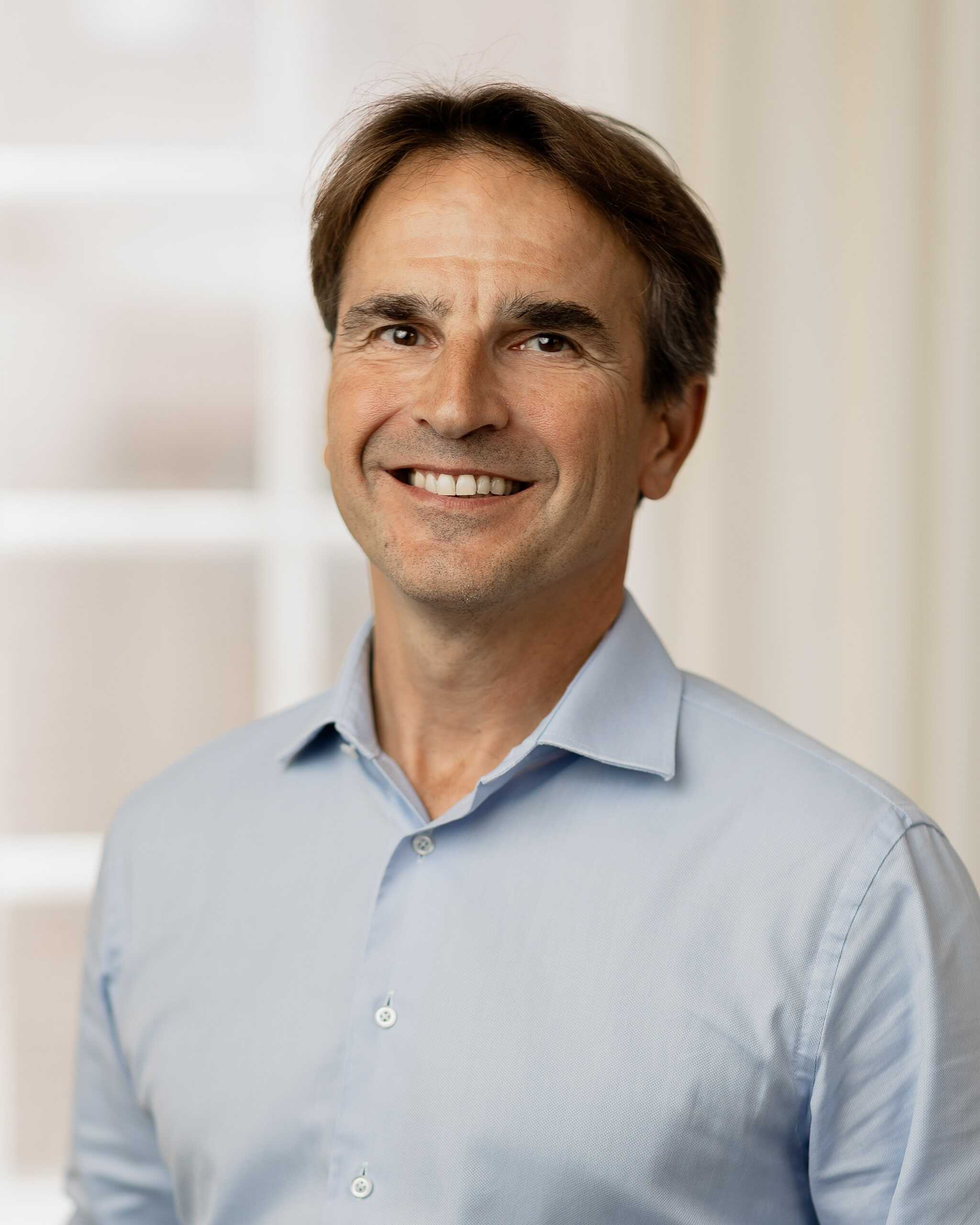
Thomas Ramsay

Thomas Ramsay

Founding Partner

Previously a Partner at EQT and IK Investment Partners

M.Sc Hanken School of Economics 

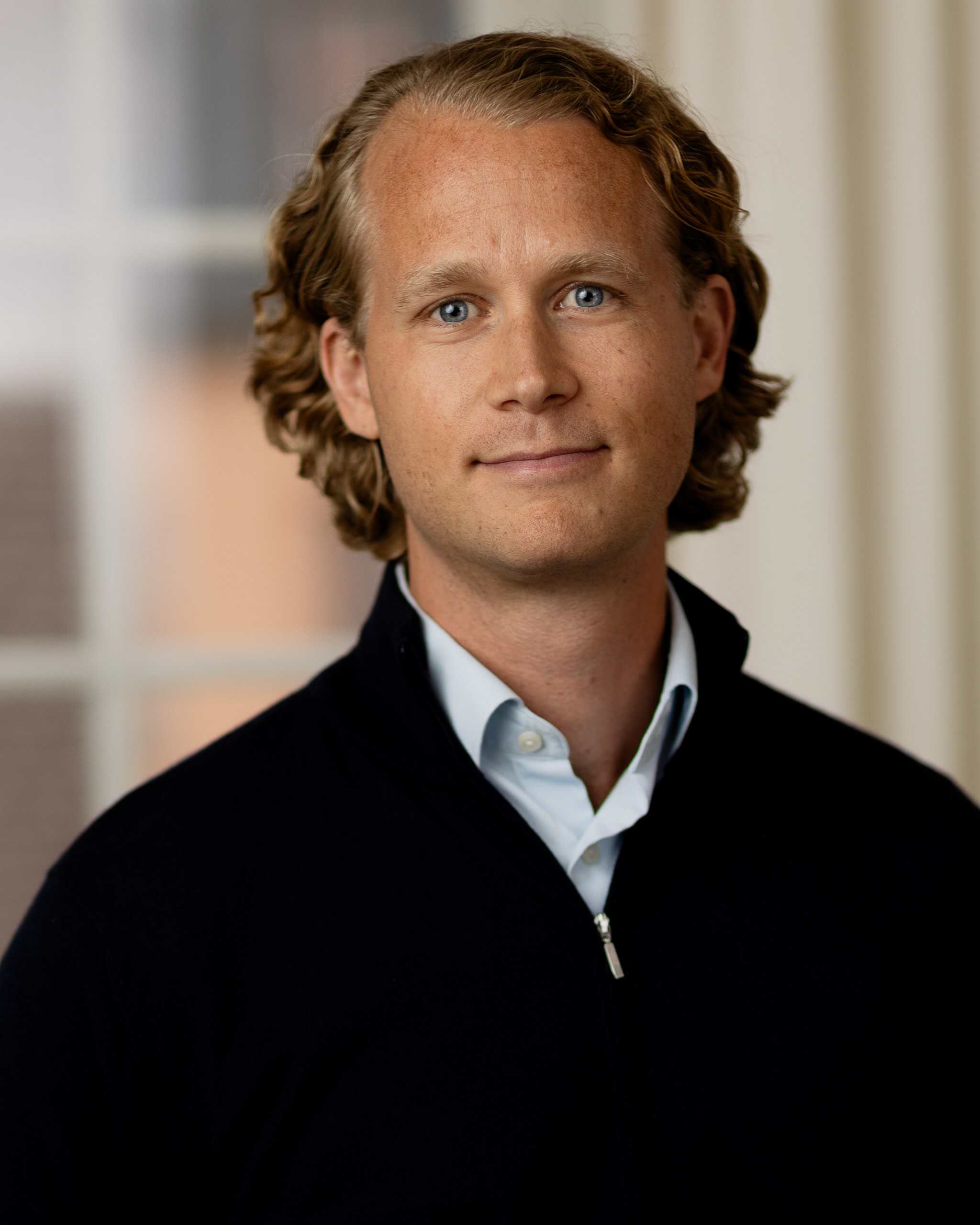
Frederic Thunell

Frederic Thunell

Partner

Previously with Morgan Stanley in New York and London

B.Sc Georgetown University – McDonough School of Business
Marc Bouvier

Marc Bouvier

Investment Director

Previously with PwC Transaction Services in Stockholm

  • M.Sc Lund University
Sigrid Mitteregger

Sigrid Mitteregger

Manager

Previously with Alvarez & Marsal in Stockholm

M.Sc Bayes Business School (former CASS Business School)

Mårten Jonsson

Mårten Jonsson

Manager

Previously with ABG Sundal Collier and Access Partners in Stockholm

  • Master of Business Administration from Virginia Commonwealth University School of Business

 

Maja Sjöblom

Maja Sjöblom

Associate

Previously with ABG Sundal Collier and Oaklins

B.Sc Stockholm School of Economics

Considering a Career Change?

If you’re a high-performing banker or consultant who wants to join an agile, entrepreneurial private equity team and build a long-term career in the Nordic small-to-mid cap market, we would like to speak with you.

All conversations are handled with absolute discretion.

Consumer

The consumer sector includes a wide range of industries such as retail, food and beverage, and consumer goods. This sector is evolving with the rise of e-commerce and shifting consumer preferences towards sustainable and health-conscious products. The global consumer market is projected to grow significantly, with e-commerce sales alone expected to surpass $6 trillion by 2024. Investment professionals in this area need to understand consumer behavior trends, market segmentation, and brand development strategies to capitalize on growth opportunities.

Industrials

The industrials sector, encompassing manufacturing, construction, and machinery, requires investment professionals adept at identifying growth opportunities in automation, advanced materials, and supply chain optimization. This sector is poised for significant growth, with the global industrial automation market alone projected to reach $296.7 billion by 2027. Professionals specialising here, tend to have financial backgrounds mixed with engineering, mathematics, or chemistry.

Healthcare

The healthcare sector, including pharmaceuticals, biotechnology, and medical devices, is continually expanding, driven by advancements in medical research and an aging population. Global healthcare spending is expected to reach over $10 trillion by 2024. Investment professionals in this field must be proficient in evaluating the potential of new treatments, regulatory environments, and market dynamics to support the development and commercialization of healthcare innovations.

Technology

The technology sector encompasses software, hardware, telecommunications, and emerging fields like artificial intelligence and blockchain. This sector is a powerhouse of growth, with global tech spending anticipated to exceed $5 trillion in 2024. Recruiting investment professionals here involves finding individuals who can keep pace with rapid technological changes and identify high-growth opportunities in areas such as cloud computing, cybersecurity, and digital transformation. Often individuals may have computer science or other highly technical backgrounds along with finance experience.

Decarbonisation

Recruiting investment professionals into the decarbonisation sector involves finding individuals who combine financial knowledge, with often engineering or chemistry backgrounds. This field is rapidly growing, with global investments in clean energy technologies and carbon capture solutions expected to reach $1.7 trillion in 2024. Sub-industries include renewable energy, energy storage, and carbon offset projects. Companies need professionals who understand both the environmental and financial aspects of decarbonisation to drive sustainable growth and meet regulatory requirements.

Energy Transition

In the energy transition sector, investment professionals play a crucial role in facilitating the shift from fossil fuels to renewable energy sources. This industry includes sub-sectors like wind, solar, and bioenergy. According to the International Energy Agency, renewable energy capacity is set to increase by 60% from 2020 levels by 2025. Investors in this sector need to be skilled in assessing the financial viability of innovative technologies and infrastructure projects that support a cleaner energy future.

Family Offices

Family Offices are private wealth management advisory firms serving ultra-high-net-worth individuals (UHNWIs) by managing investments, estate planning, and a range of other financial services. Some family offices have dedicated direct investing teams that actively manage a diverse portfolio of investments. These teams often operate with highly flexible and opportunistic mandates, investing in a wide array of assets, including early-stage private ventures, mature companies, public investments, and derivative products. The investment teams are typically composed of experienced professionals with backgrounds in private equity, venture capital, and corporate finance, bringing a broad wealth of expertise to their investment strategies.

Leveraged Buyouts (LBO)

Leveraged Buyouts focus on acquiring mature, undervalued, or underperforming companies using a significant amount of borrowed money (leverage), with the company's assets often serving as collateral. LBO firms acquire controlling stakes, which enables them to implement substantial operational changes, reduce costs, and restructure the business to enhance overall value. The capital required for LBOs is generally higher than for venture capital or growth equity due to the need for majority control, allowing these firms to steer the company towards greater profitability and eventual lucrative exits.

Growth Equity

Growth Equity involves investing in mid-stage or mature businesses that have demonstrated consistent revenue and established a product-market fit but need additional capital to expand. These firms target companies looking to enter new markets, enhance products, or acquire competitors. Growth equity investments typically range from tens to hundreds of millions, acquiring minority stakes but often securing board seats to influence strategic decisions. Collaboration with existing management is key, as growth equity firms work to drive expansion and capitalize on the company's proven business model.

Venture Capital (VC)

Venture Capital investment firms seek new businesses or early-stage startup companies that show promise in their industry, often characterized by innovative ideas but lacking the collateral for traditional bank loans. These firms typically invest in early-stage companies with high growth potential but significant risks, providing funding that ranges from tens of thousands to millions of pounds. The primary goal is to prove a business model and market fit. Unlike more hands-on investors, VC firms offer mentorship and strategic advice, focusing on guiding entrepreneurs rather than directly managing operations.

"Should I go straight to PE from university or go into banking?"

If you’re in a position where you’re considering an offer to join a PE fund straight out of university, first off, congratulations! You’ve likely excelled academically and have learnt about the private equity industry early on.

There aren’t many private equity funds that offer analyst positions directly from university. Typically, only the larger firms with substantial training and development resources can provide this opportunity. Due to the limited number of such firms, competition for these spots is incredibly high.

If you’re certain about pursuing a career in private equity, starting earlier can be a fantastic way to gain early exposure to the industry and begin building your investment toolkit. By choosing a reputable company, you’ll likely develop your skills more quickly within two years than if you first went into investment banking or consulting.

However, if you’re not entirely sure, you might want to consider starting in investment banking or management consulting. Both paths offer a solid foundation and the option to transition into private equity later on, so the door to PE remains open.

One of the main advantages of starting in IB or MC is the network you can build. Joining an analyst cohort of dozens, if not hundreds, of peers, many of whom will remain in the industry or move on to other impressive roles, provides a unique opportunity to establish long-lasting relationships. These connections can benefit your career both in the short and long term.

In contrast, private equity funds tend to be lean organisations, meaning you’ll likely meet and get to know fewer people. While this can lead to deeper relationships within your immediate team, the broader networking opportunities may be more limited compared to the larger analyst classes in banking or consulting.

Ultimately, the decision comes down to your career certainty and personal preferences. If you’re committed to a career in private equity and have secured a position at a top firm, jumping straight in can be an excellent move. If you’re still exploring your options or value broad networking opportunities, starting in IB or MC might be the better path.

Whichever route you choose, both offer valuable experiences and can lead to a successful career in private equity. Take some time to reflect on your long-term goals and what environment you believe will best support your growth and aspirations.

"I’m considering leaving private equity and unsure about my exit opportunities."

I appreciate this is no easy decision for you to make. After all, you’ve spent many years putting yourself in an elite position, both academically and in your career thus far. Here’s how we can approach this together:

  1. Understanding Your Motivation: Let’s first understand why you are considering leaving the industry. We need to determine whether your issues are mostly related to the investment industry generally or are more idiosyncratic to the firm you are working for or have been exposed to so far.
  2. Exploring Options: There are thousands of private investment firms across PE, GE, and VC, with huge variance in how they are set up, how they invest, and what their expectations are of their employees. Perhaps exploring opportunities within a different firm or even a different segment of the industry might align better with your career goals.
  3. Alternative Career Paths: If we realise together that leaving PE is the right move for you based on your aspirations, we can discuss potential exit opportunities. These might include roles in corporate development, consulting, entrepreneurship, or even transitioning to a different type of investment firm such as GE or VC.

We can work together to navigate these options, ensuring you make a well-informed decision that aligns with your career goals and personal aspirations.

"What are the common mistakes senior candidates make during the recruitment process, and how can I avoid them?"

One common mistake is saying that you’re “flexible”, “open”, or “agnostic” when it comes to focusing on an industry, coverage area, or investment style. You may feel that this makes you a consideration for more individuals and firms, but the reality is that it comes across as unfocused and makes it difficult for you to be positioned as the best person for a particular role.

When a person has thought about what they want and why they want it, their enthusiasm and passion are evident. Being “open” ultimately means you’re seeking someone else to decide where you spend your time and focus your attention. This is not the trait of an intentional individual.

So take some time to reflect on what gives you energy and excitement and double down on finding opportunities that align with that.

"I’m unsure if I should remain a generalist or specialise in an industry niche."

Deciding whether to remain a generalist or specialise in a particular industry niche depends on your career goals and interests. There’s a common saying: specialists wish they had the variety of generalists, and generalists wish they had the focus of a specialist. As a generalist, you gain broad experience across various sectors, which can be valuable and interesting for a diverse career in private equity. However, specialising allows you to develop deep expertise in a specific field, making you a sought-after expert in that niche.

Generally, the world is moving in the direction of specialism, and this is no exception for private equity and investment firms. We continue to see more industry-specific firms establish themselves, enabling LPs and individuals to concentrate their investments in desired sectors. We’re also seeing large, institutional firms silo their investment teams to focus on specific industries or industry verticals.

As you get increasingly senior, the expectation is you’ll narrow down on an industry or sub-industry, and ideally become the expert in your chosen domain. Being the best in a particular area is a better strategy for being in high demand versus being a generalist.

"I'm at a private equity fund and unsure if it’s the right one."

First off, you’re not alone. Many people have this concern or deliberation every day. Perhaps your current team or company isn’t the best place for you, or no longer provides the learning, support, or progression opportunities you now seek. Or perhaps there are other reasons you’re considering a move. Whatever the reason, through a conversation, my aim is to explore this with you, asking a variety of questions to unearth the reason. From here, we can ideate together on what opportunities and organisations might energise and excite you.

There are a record number of private equity firms in existence today, with a host of industry focuses, investment strategy flexibility, supportive and encouraging cultures, and much more. You’ll be able to find the team and people that align and resonate with who you are and your unique personal and professional aspirations. It’s about finding them.

My suggestion would be to reach out and find a time for us to speak.

"I’d like to know the best time to transition to private equity from investment banking or management consulting."

As the number of private equity funds in existence continues to increase, so too has the competition for talent. This has meant that the initial timelines of recruiting individuals from IB/MC, which used to be approximately 2-4 years, is now moving closer to 1-3 years.

The “toolkits” that you develop during your initial years of banking and consulting are helpful for performing in a role as an investment professional. However, there are significant other skills you need to learn and develop, which you would only do by being in an investment seat. Therefore, experience beyond approximately 3 years in the aforementioned industries is not highly valued and can often be seen as a negative. Concerns may include higher compensation expectations, doubts about your interest in moving to PE, desirability to other funds, worries about your interest in fast-tracking through promotions, or even creating a confusing hierarchy with incumbent team members, to name a few.

Ultimately, you’ll have to make the decision about timing yourself and at what point you feel “ready” to interview and change industries. However, quite often, it will be dictated by the opportunities presented to you. PE investment teams notoriously stay very lean, and you cannot guarantee they will hire each consecutive year. If you like the firm and team, and know you wish to be an investment professional, you’ll learn and develop as an investor whilst doing the job, rather than holding out more years in advisory positions.

“I’d like to streamline our hiring process to reduce time-to-fill.”

Time spent recruiting and interview candidates, is time that your investment team is having to spend away from sourcing new investment opportunities, or helping create value within their portfolio companies. Highwater Search can help streamline your hiring process and take on a significant bulk of the time investment required. We’ll reduce the time it takes to fill critical hires without compromising on quality. We utilise efficient sourcing and vetting processes, ensuring that only the most qualified candidates get access to you. By understanding your specific needs and maintaining a proactive approach, we can significantly reduce your time-to-fill and reduce the amount of time you need to spend on finding the right people, allowing you to maintain momentum and focus on your strategic goals.

“I am interested in improving diversity within my investment team.”

Diversity drives innovation and performance. In the competitive world of private equity, a diverse team can provide unique perspectives and innovative solutions that lead to investment opportunities unrecognised by the rest of the market. Highwater Search has helped many funds consider their incumbent team and conducted searches to build a diverse and inclusive investment team. Our approach ensures that diversity is not just a box to check but a strategic advantage that enhances your firm’s ability to compete and succeed in the market.

“I’d like to enhance our employer brand to attract top talent.”

A strong employer brand is crucial for attracting top-tier candidates. It’s not just about having a polished website or a well-designed logo; it’s about communicating your firm’s unique culture, values, and vision in a way that resonates with potential hires. Highwater Search can help enhance your brand’s appeal to potential hires by highlighting the opportunity and environment your company offers. . We can assist in crafting compelling narratives, leveraging social media, video content, and showcasing your firm’s strengths through testimonials and success stories. Presenting a cohesive and attractive employer brand, not only helps you attract talent but also investors, and helps potential company targets resonate with you.

“I haven’t had success working with recruiters before.”

We understand that past experiences with recruiters can be frustrating. Perhaps you’ve encountered a lack of understanding of your specific needs, poor communication, or candidates who just didn’t fit. At Highwater Search, we pride ourselves on a bespoke, client-focused approach that ensures we meet your specific needs and deliver top results. We take the time to deeply understand your firm’s culture, values, and strategic goals, ensuring that every candidate we present is a potential fit for your team. Our transparent process and commitment to quality mean that you’ll always know what to expect, and we’ll be with you every step of the way to ensure your satisfaction.

“I am looking to establish a new sector, region, or product within my PE fund.”

You can either expand by adding new product lines, increasing AUM, expanding across new geographies, or catering to more industries. Each one will require upskilling your incumbent team, or hiring individuals who have that specialist knowledge that understand the unique challenges and opportunities. This transition is not just about adding more people to your team; it’s about strategically positioning your fund to compete and excel in new markets.

Highwater Search has the expertise to help you find the right professionals who can lead and support your new initiative. We understand the intricacies involved and can help you pinpoint candidates who have the technical expertise and strategic vision to drive your expansion.

“I have recently founded a PE fund and need top-tier talent.”

Starting a new private equity fund is an exciting venture, but building a high-performing team is from the off-set is critical to your success. You’re at a crucial juncture where attracting the best talent will significantly impact your fund’s trajectory. The initial stages of team building are essential, and the quality of your hires set the tone for performance and culture, but also how your firm is seen in the eyes of investors, acquisition targets, and future joiners.

Let’s discuss how Highwater Search can help you attract the best talent in the industry. Together, we can ensure your new team is equipped to navigate the competitive landscape and achieve your goals.

Get Expert Recruitment Tips Directly to Your Inbox

Subscribe to receive cutting-edge strategies and essential market insights tailored for the private equity sector